What is C-TAP and why does it matter to your business? The Benelux terminal standard explained
That standard is called C-TAP. One terminal. No hardware changes. The acquirer that fits your business. It is the protocol that sits between your terminal and your acquirer, and it is what makes the whole thing work.
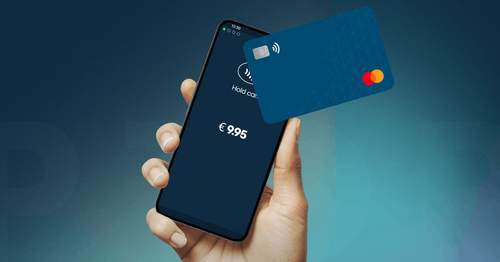
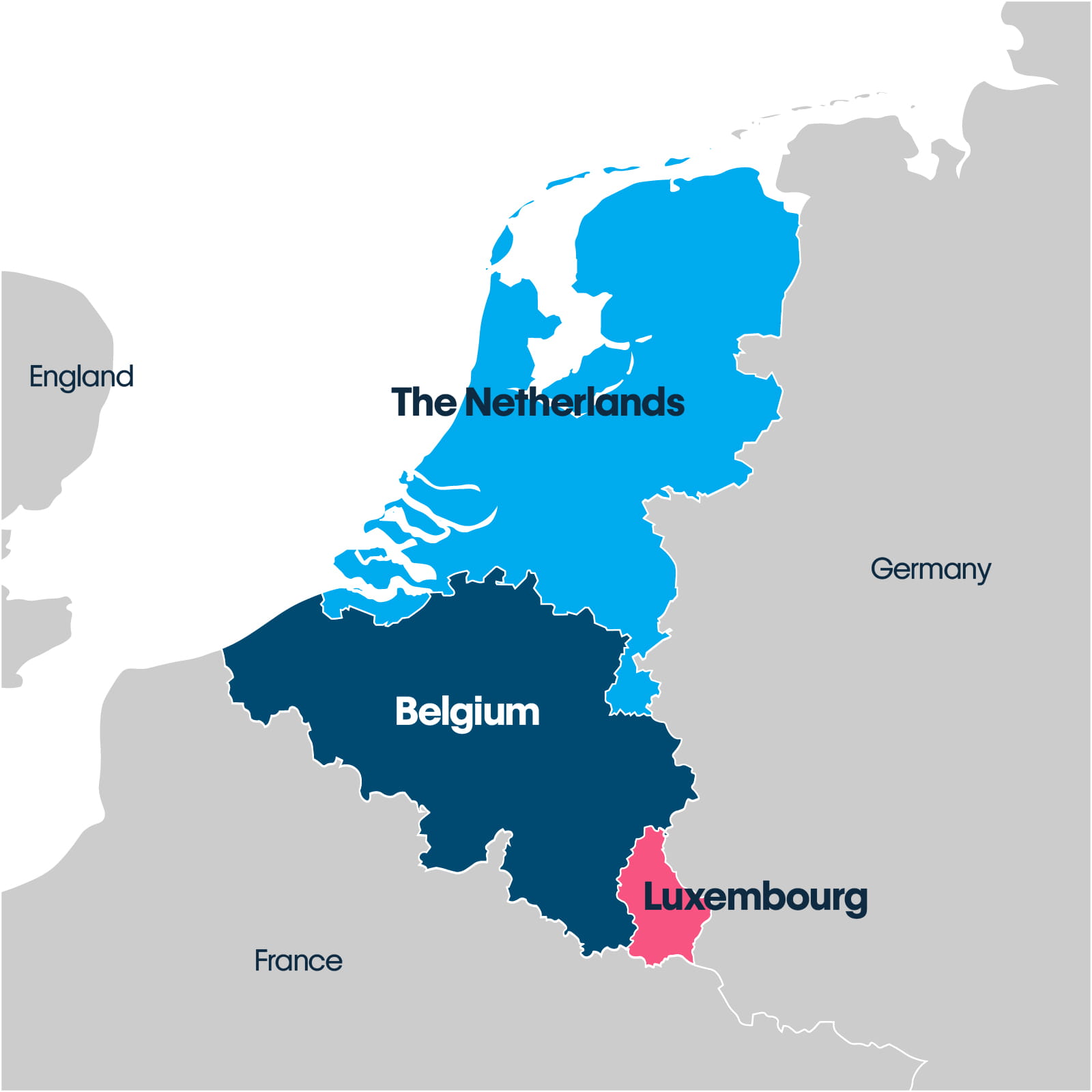
Point of sale, or in-person payments, can seem simple compared to the fractured European ecommerce payment scene with its many regional payment methods. Across Europe, there are multiple protocols for accepting various debit and credit cards in-person. For the Benelux market, MultiSafepay has chosen to support C-TAP next to our SmartPOS solutions. C-TAP is the dominant protocol used between payment terminals and acquirers in the Netherlands and is primarily used in the Benelux.
In the following paragraphs, we explore why C-TAP is so popular, where it differs from SmartPOS, and the advantages of using C-TAP through MultiSafepay.
What is the C-TAP protocol?
C-TAP stands for Common Terminal Acquirer Protocol. Think of it as the language a payment terminal uses to talk to an acquirer, the party that authorizes and settles each card transaction.
The protocol was set up between terminal manufacturers and acquirers to standardize payment processing and security. This greatly reduces the cost of introducing new devices and services to the market, and it promotes innovation. On top of that, participants agreed not to charge eachother interchange fees, as is common practice elsewhere. That significantly reduces transaction costs. It lets merchants keep the cost of handling in-person payments low.
The specifications are maintained by Acquiris, the C-TAP certification body within the SEPA region. Acquiris keeps the standard in line with market demand and technology, and certifies that terminals conform to it. As an acquirer and an Acquiris member, MultiSafepay supports the C-TAP protocol.
Why C-TAP is the standard for payment terminals in the Benelux
C-TAP is an open, multi-acquiring protocol. One terminal can connect to different acquirers, and even to several at the same time. You choose the acquirer that fits your business, and you stay free to change your mind later.
That freedom is why C-TAP became the backbone of in-person payments in the region. According to the Dutch Payments Association, C-TAP is the dominant protocol between terminals and acquirers in the Netherlands, where roughly half a million payment terminals are in use across shops, restaurants, stations, and more.
Belgium tells a similar story. In-person card payments are simply everyday life there. In the 2025 Digital Payments Barometer, six in ten Belgians said they had made a contactless card payment in the past week, and 77% felt completely comfortable using it. In 2024, Belgians made 1.9 billion in-store payments with a Bancontact card alone. C-TAP terminals in Belgium also handle extralegal benefits like meal vouchers, ECO vouchers and gift cards from companies like Monizze and Edenred, which matters for hospitality and retail.
Two markets, one standard. Whether your customers tap in The Netherlands or Belgium, the terminal on your counter most likely already works with C-TAP.
Thanks to the straightforward migration from C-TAP terminals to MultiSafepay, merchants can benefit from an omnichannel payment experience that seamlessly connects online and in-store.
Wouter van Gessel, Product Manager POS
C-TAP vs SmartPOS: a protocol and a device
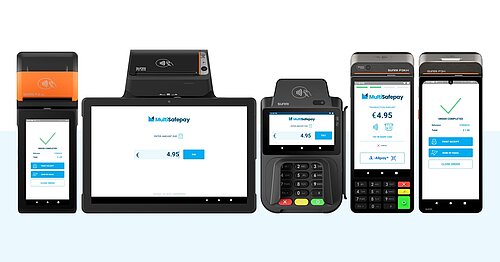
These two often get mixed up, so here is the short version. C-TAP is a protocol. SmartPOS is a device. C-TAP is the standard your terminal uses to reach the acquirer. SmartPOS is a category of smart, app-ready terminals that bring payments, ordering, and business tools together in one device. You may also hear about CTEP, a separate protocol that connects your cash register to the terminal. Different job, different layer.
Why does the distinction matter? Because it gives you a choice, not a bill. Keep the C-TAP terminal you already own and switch acquirer. Or move to a modern SmartPOS device when you are ready. Either way, you are not forced to start from scratch.
What managing C-TAP with MultiSafepay means for your business
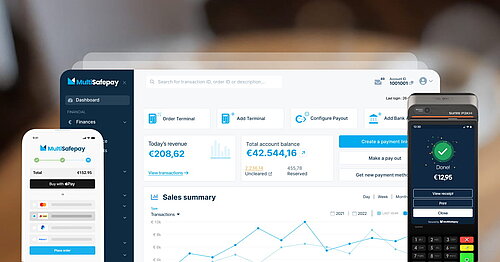
Payment terminals are built to last, and they are expensive to buy up front. C-TAP lowers the barriers that come with that. The protocol keeps the cost of in-person payments low, lets you accept every card scheme on one terminal, and puts you in control of your setup. But a terminal is only part of the picture. Most providers still run online and in-person payments on separate systems, which leaves you switching between tools to find a single transaction. We do it differently. With MultiSafepay, your C-TAP payments sit on the same platform as your online payments, in real time, in one dashboard. One integration. Every channel. That is the difference between handling payments and growing on them.
So, what does it mean to choose a payment provider that also acts as an acquirer on the C-TAP standard? For merchants processing in-person payments, it comes down to a few concrete benefits:
- Keep your terminal: Our software runs on your existing C-TAP hardware
- One platform: C-TAP next to every other payment method
- One dashboard: Reconciliation, accounting, and reporting, automated
- Modern POS options: SmartPOS in handheld, stationary, and kiosk formats.
Ready for your next step?
Are you currently processing POS payments through a C-TAP terminal and thinking about the next step for your business? Contact us to discover the possibilities.